Central Italy
Toscana
The postcard is real. It just takes living here to understand it properly
Yes, Tuscany is famous. Yes, it appears on calendars and in films and in the daydreams of people stuck in offices in February. But the reason the cliché exists is that the reality lives up to it — and then some. The hills really do look like that. The light really is that particular shade of gold in October. The wine really is that good.
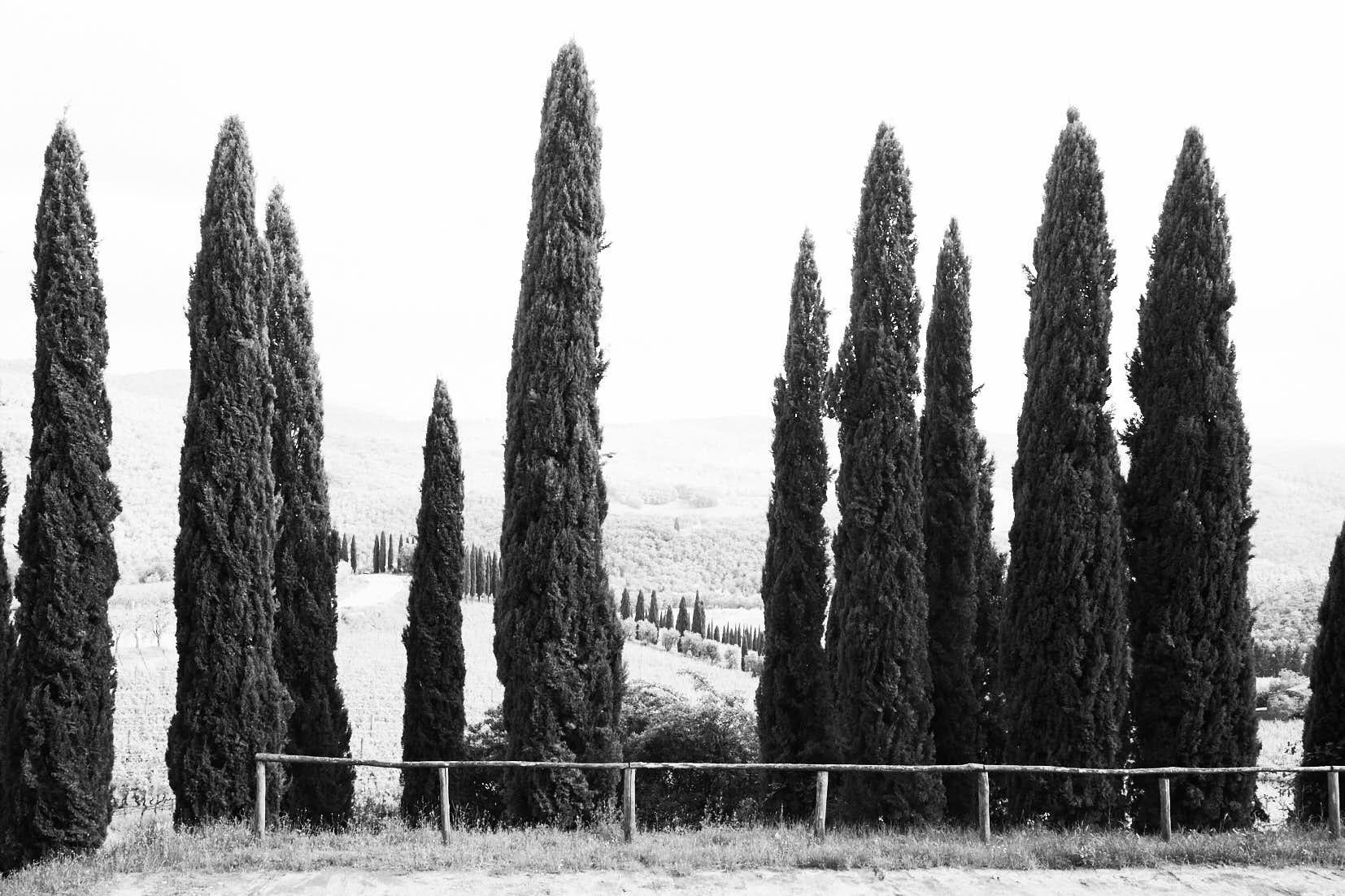
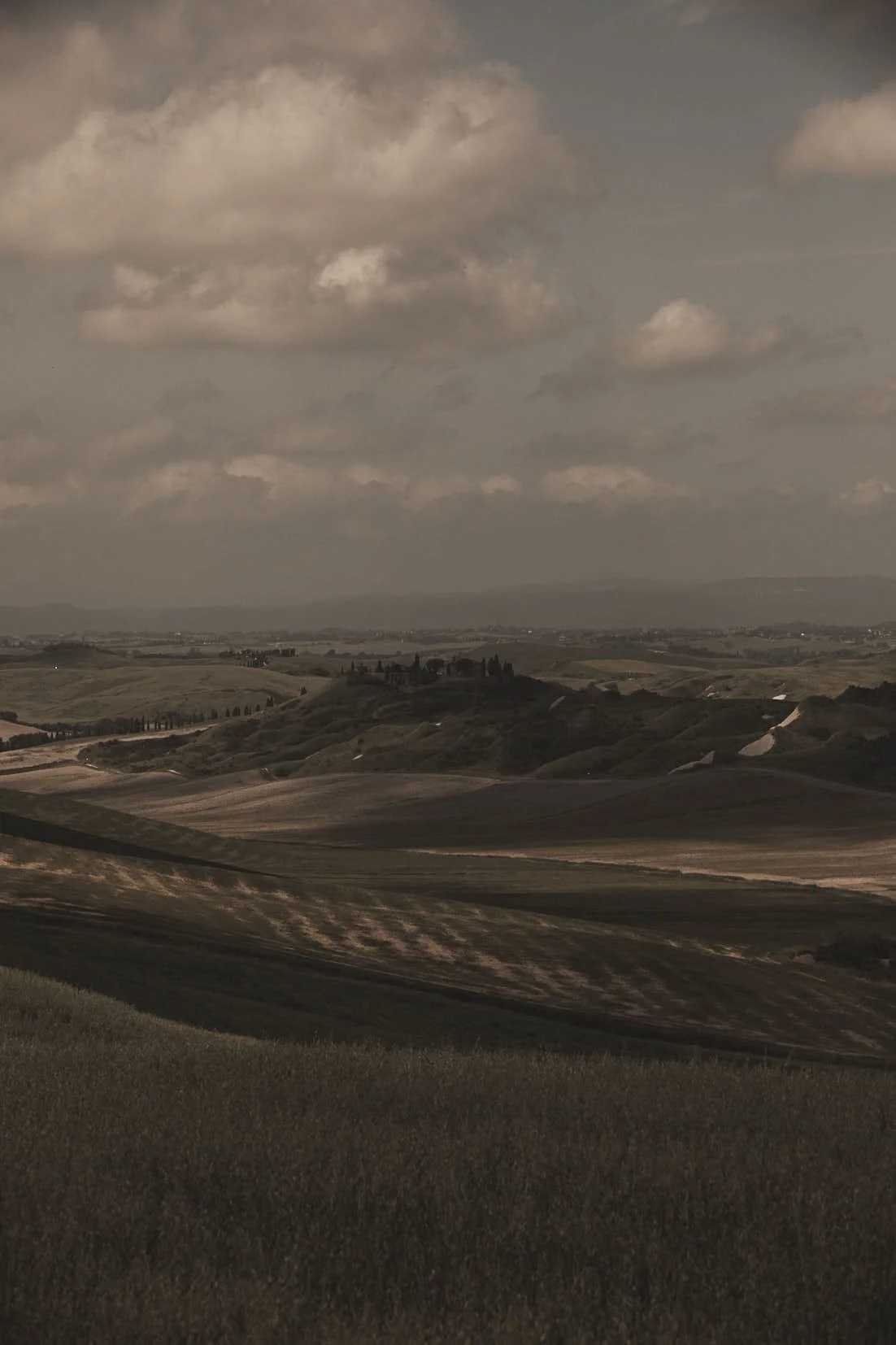
The landscape varies more than most people expect. The Chianti and the Val d'Orcia are the famous parts — rows of cypress, ancient farmhouses, golden fields. But the Maremma to the south is wilder and less visited: marshland, pine forests, coastal cliffs, horses that roam half-free in the nature reserve. The Garfagnana in the north is mountain country, with medieval villages and rivers cold enough to swim in even in summer.
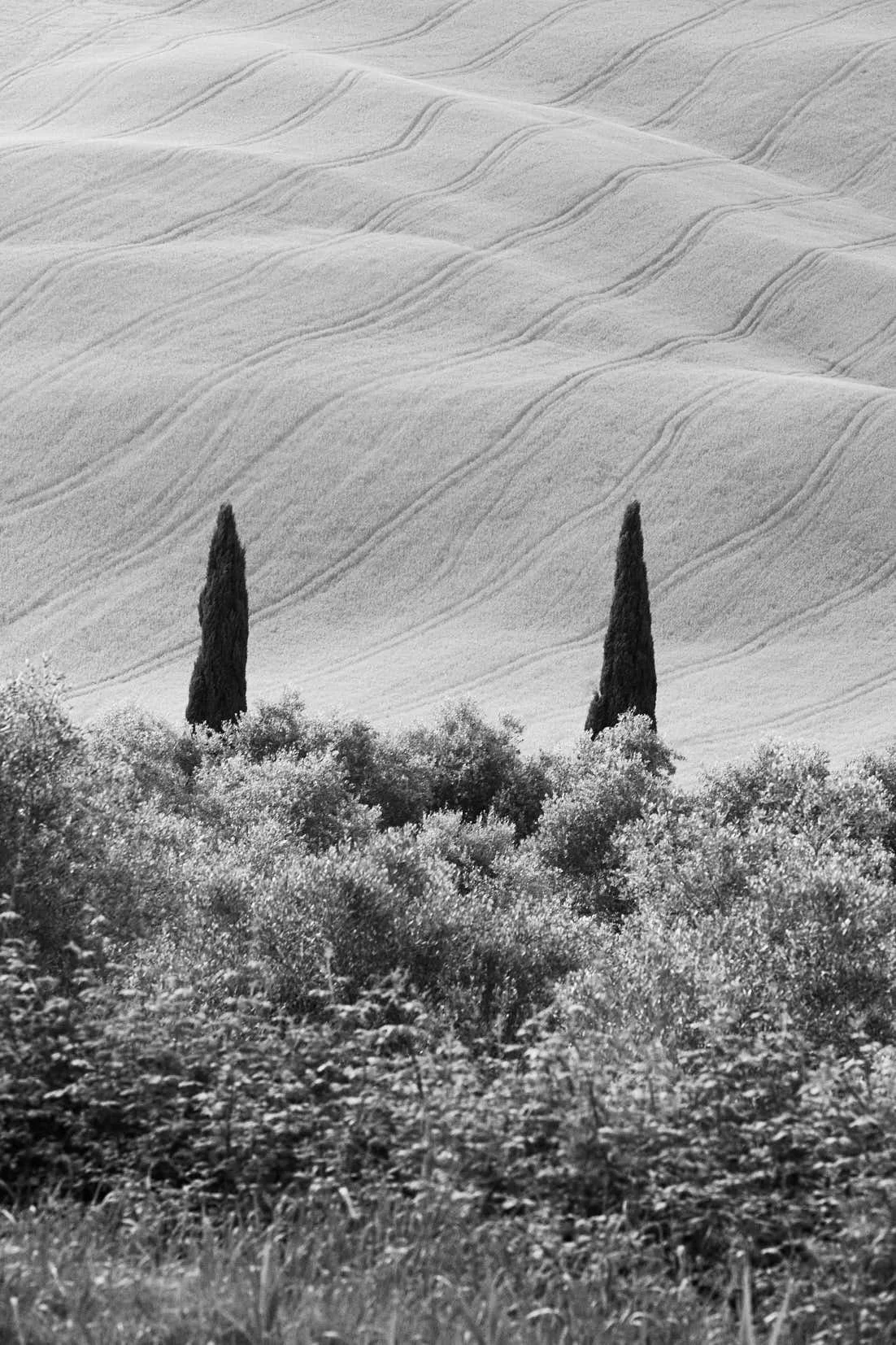
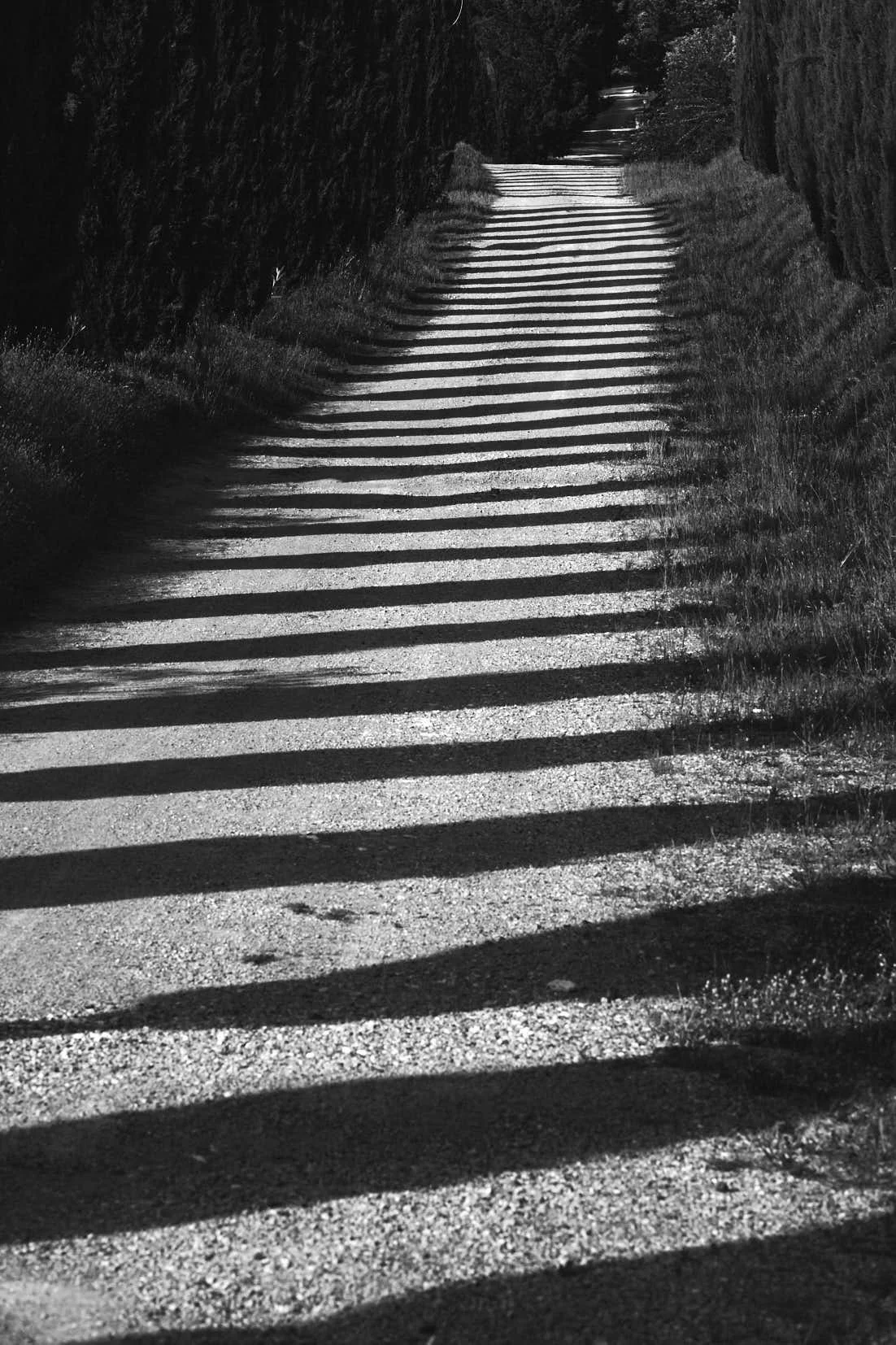
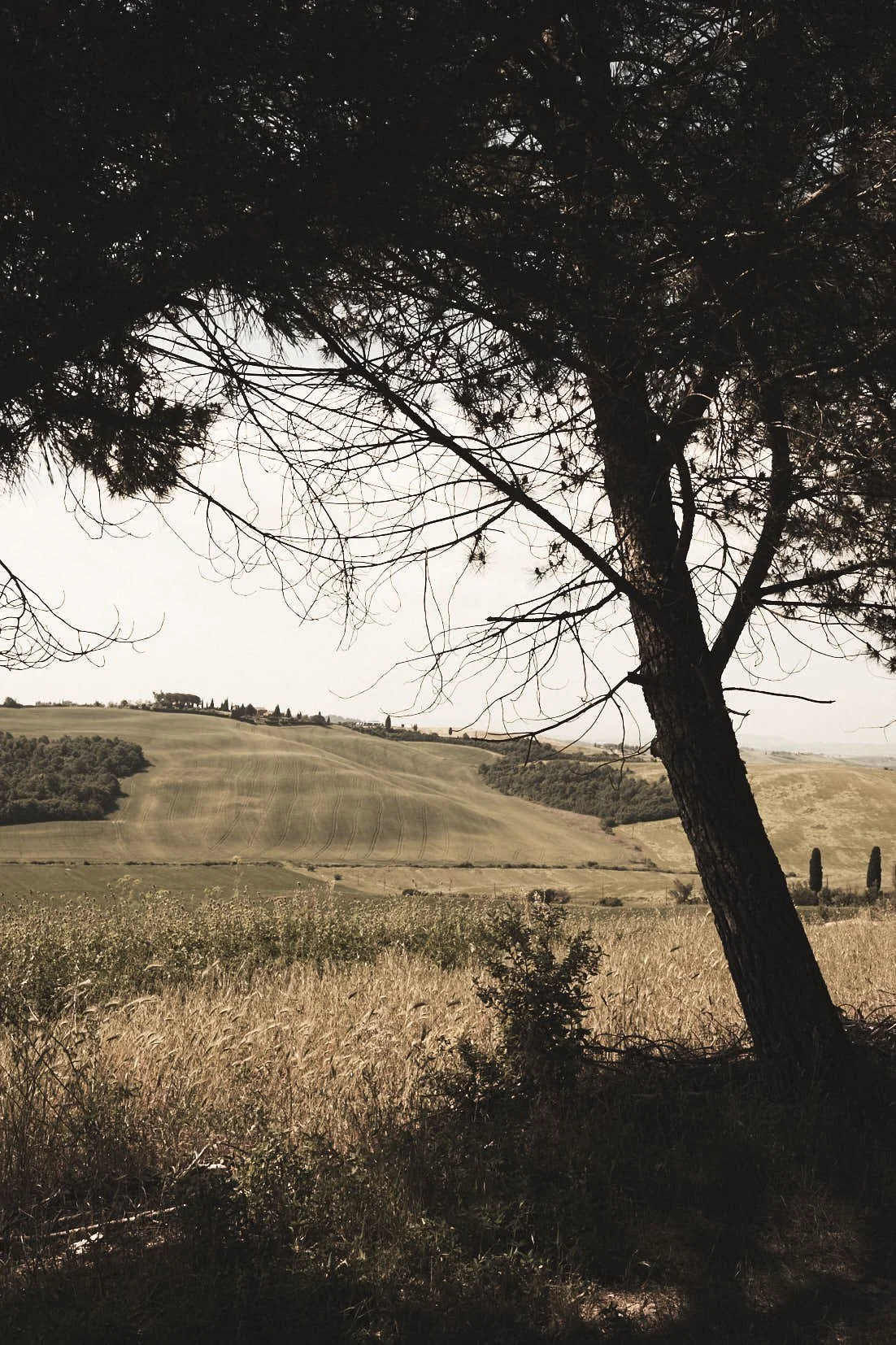
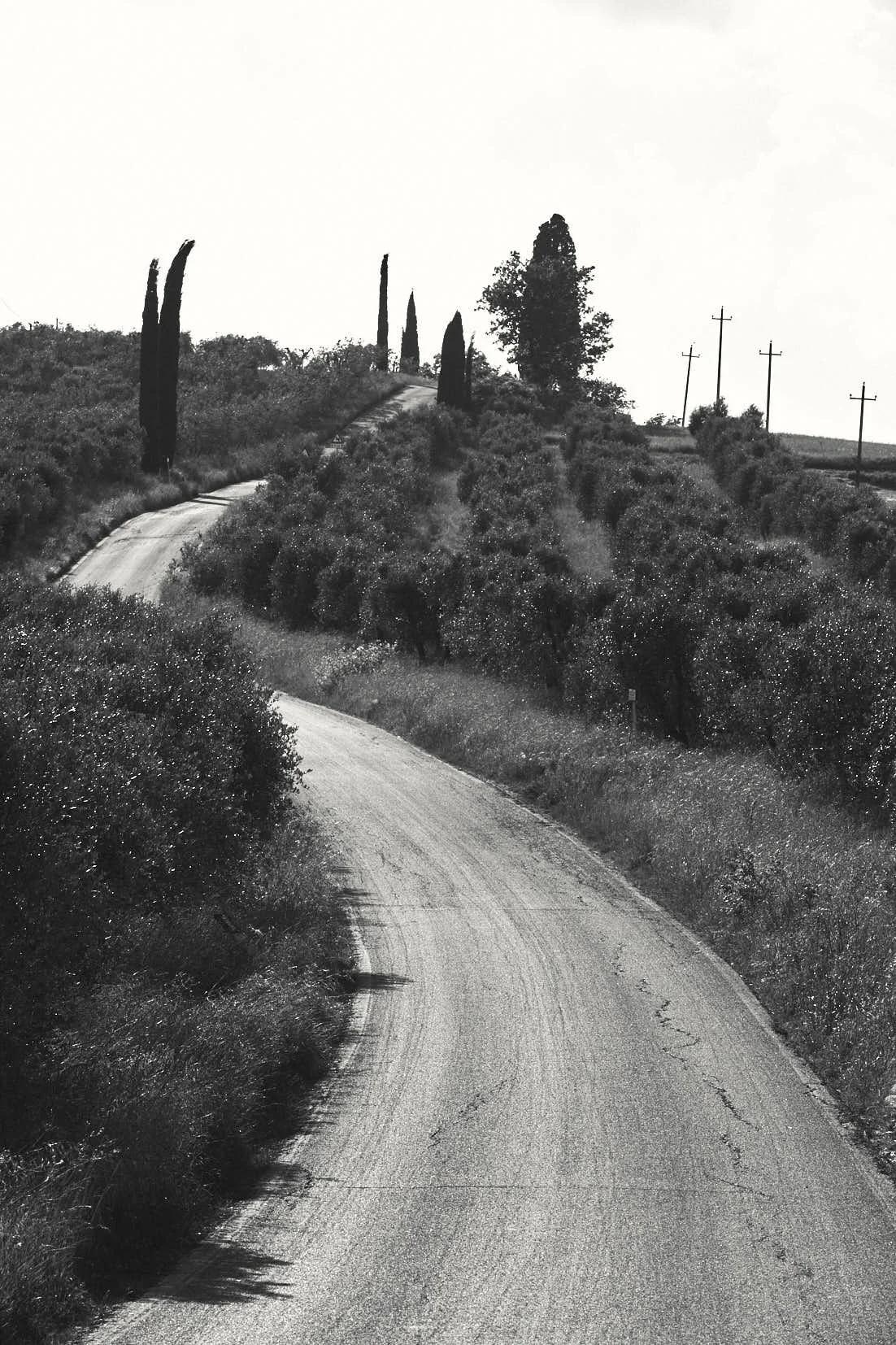
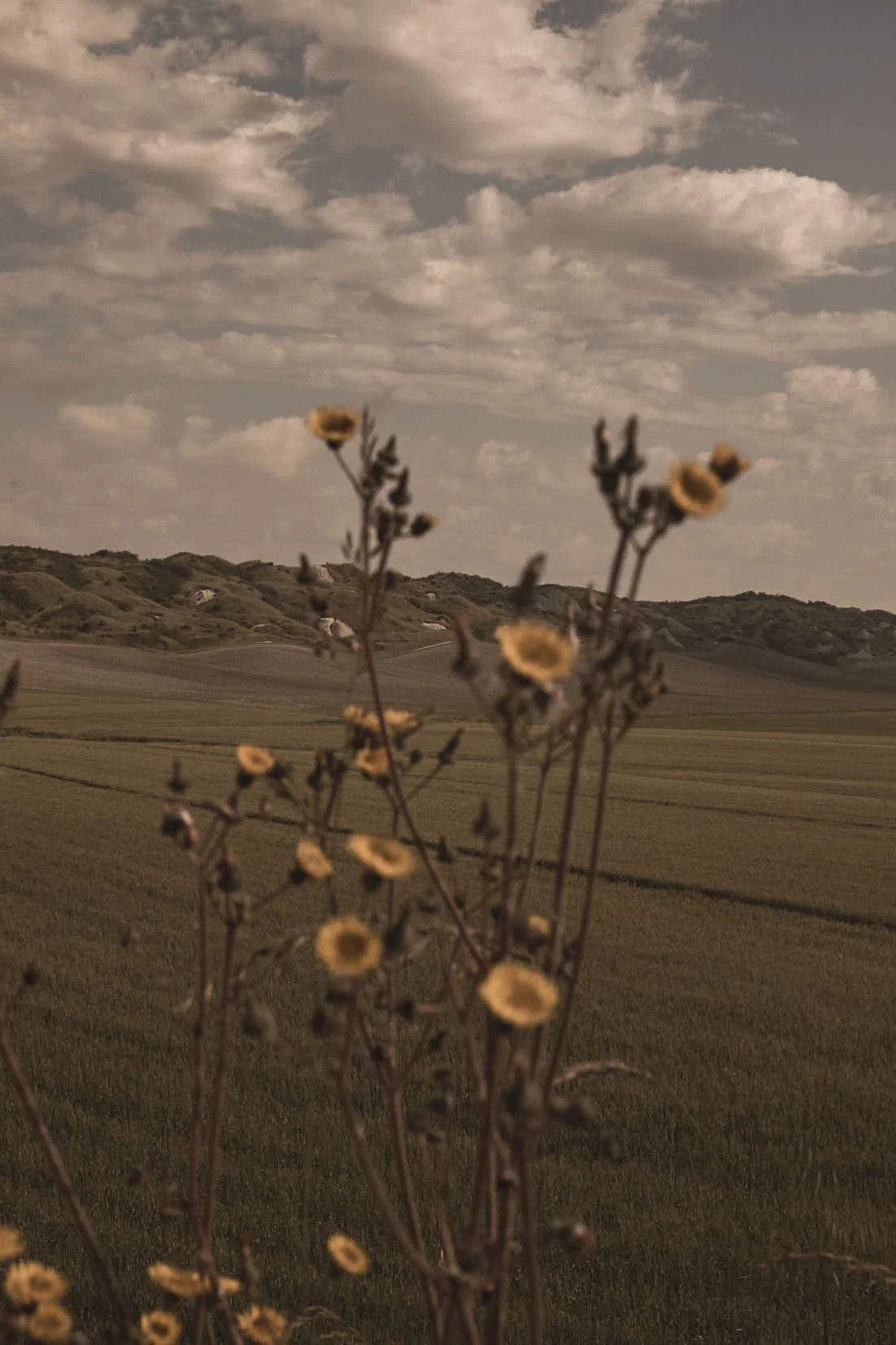
Cycling through the gravel roads of the Chianti has become something of a pilgrimage for road cyclists from all over the world, and rightly so. But Tuscany also does hiking properly, with long-distance routes through the Apennines and gentler walks between hill towns with a glass of wine waiting at the end. The thermal baths — hot springs that have been in use since the Etruscans — are scattered across the region and easy to find if you know where to look.
The food tradition is confident and unfussy: a properly aged Fiorentina steak, ribollita on a cold evening, fresh pasta with wild boar ragù, pecorino from the hills, a Brunello opened for no particular occasion. There's a community of people from all over the world who have made Tuscany home — which makes settling in relatively straightforward without losing the sense of having arrived somewhere genuinely Italian.
Chianti & Val d'OrciaGravel cycling routesNatural hot springsWild Maremma coastBrunello & bistecca