Biella
Biella doesn't show off. It sits at the foot of the Alps, surrounded by mountains and fed by some of the purest water in Europe — the same water that, for eight centuries, has made its wool and cashmere the fabric of choice for the world's best tailors. That detail matters: this is a place with a deep, serious craft tradition, and it shows in the way things are made and the way people work.
The water is worth pausing on. The Alpine springs that run through the Biella valleys have a mineral residue of just 25–30 parts per million — exceptional even by Alpine standards. It's why the textile mills settled here and never left, and it's why the tap water genuinely tastes like something. The local beer, Menabrea — one of the few Italian beers still entirely family-owned — is brewed with it. The polenta is cooked in it. It's quietly part of everything.
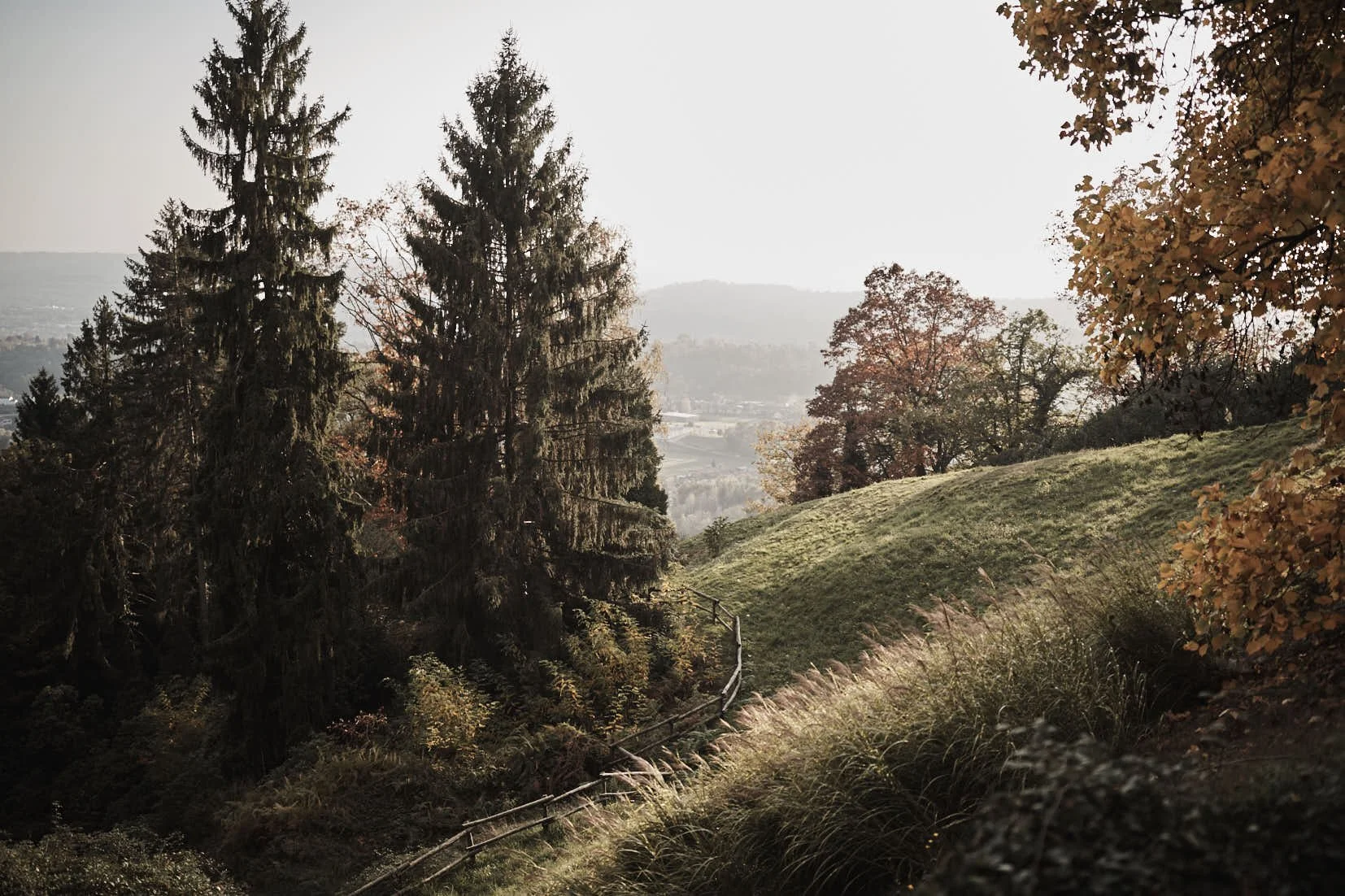
Directly on the doorstep is the Oasi Zegna — 100 square kilometres of protected Alpine landscape, created in the 1930s when Ermenegildo Zegna reforested an entire mountainside with half a million conifers and rhododendrons. Today it's one of the finest free nature parks in northern Italy: marked trails for hiking, mountain biking and Nordic walking, cross-country skiing in winter, forest bathing routes through old-growth woodland. You can drive up in twenty minutes from the centre and be completely alone in the mountains within the hour.
For skiing, the slopes at Bielmonte are close, and the wider Aosta Valley and Valsesia resorts are within easy reach. The Italian lakes — Maggiore, Orta, Como — are an hour away. Milan's Malpensa airport is about 45 minutes by car; Turin's Caselle is slightly closer. It's the kind of location that sounds almost too convenient until you check the map and realise it's simply true.
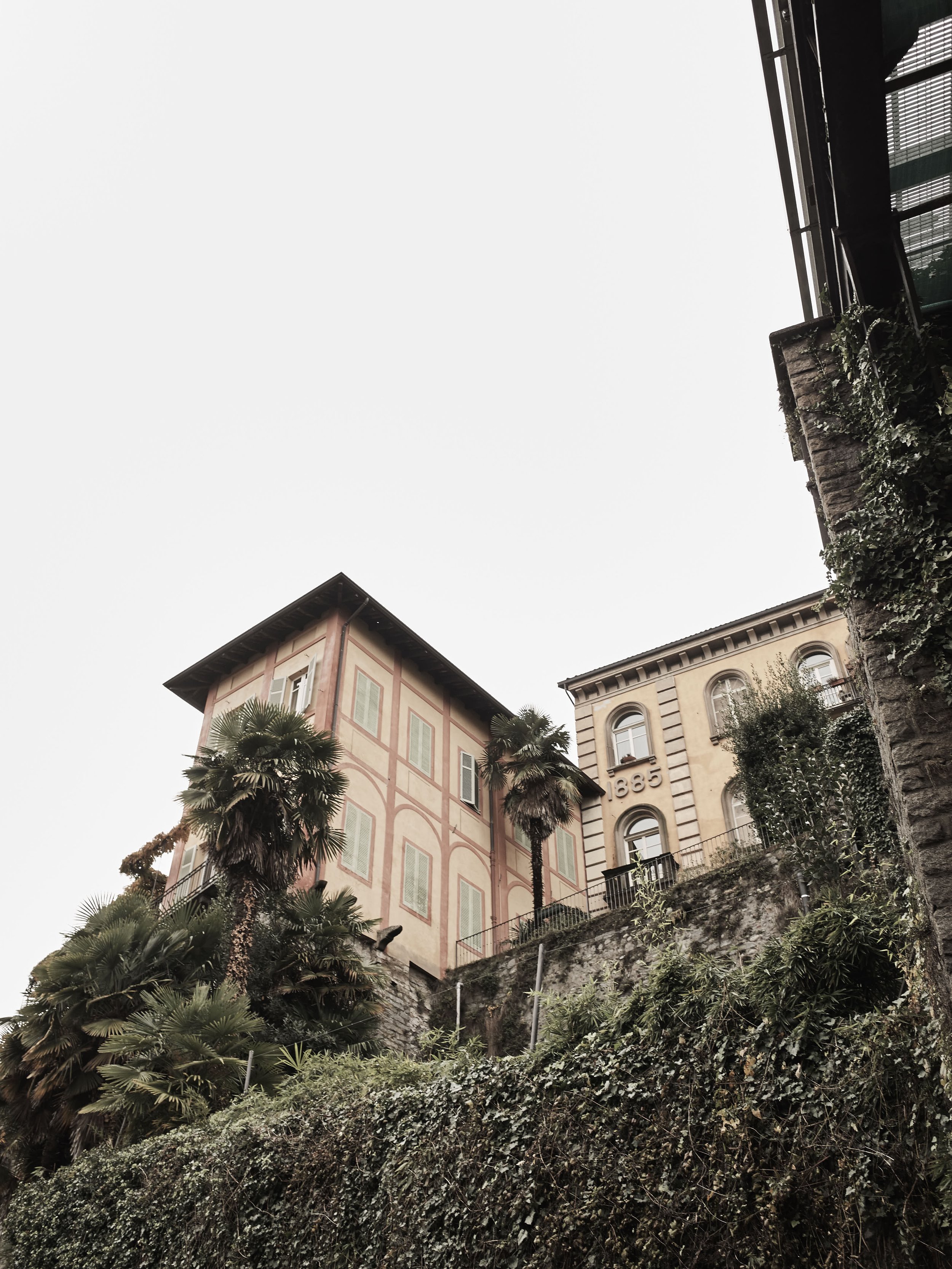
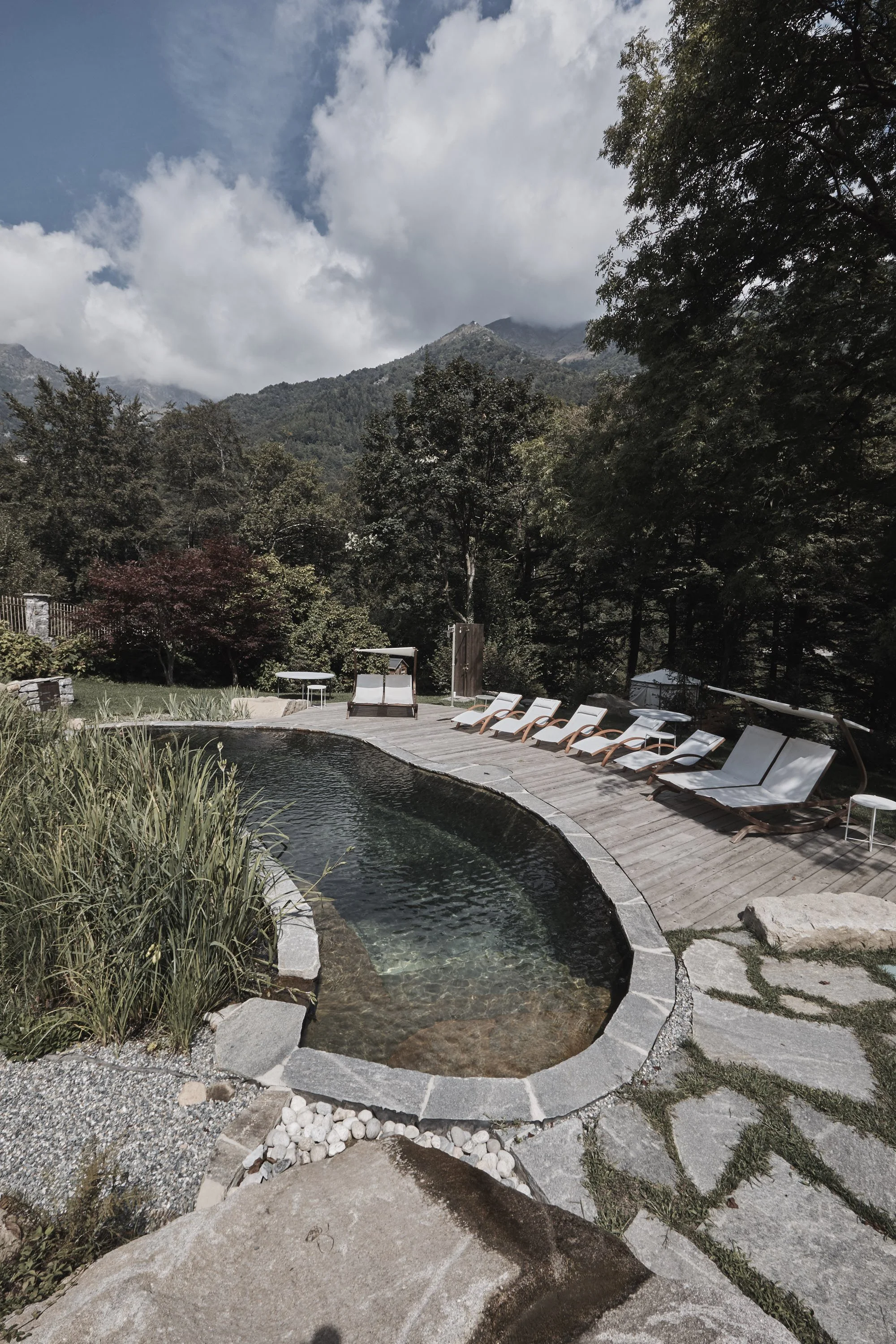
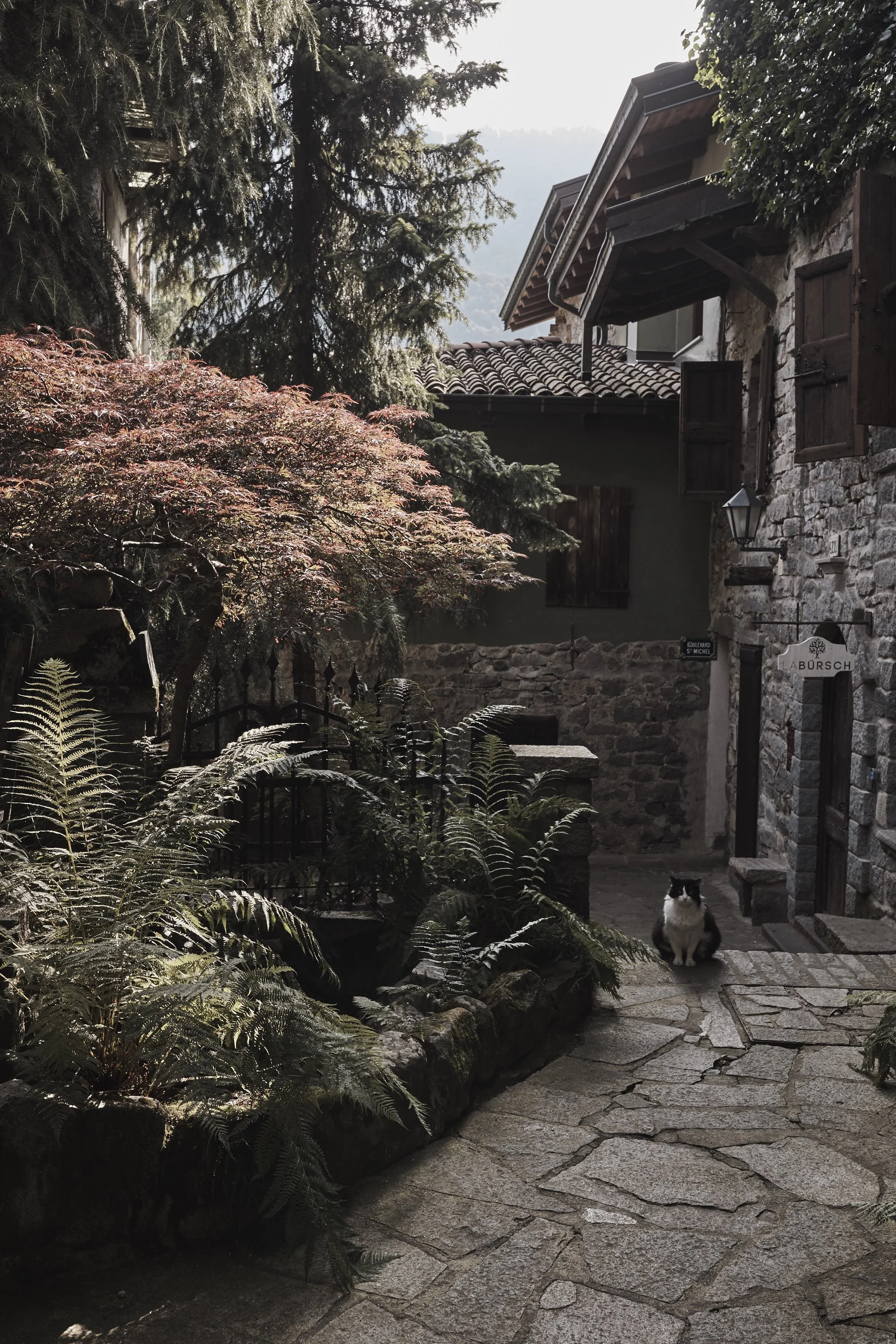
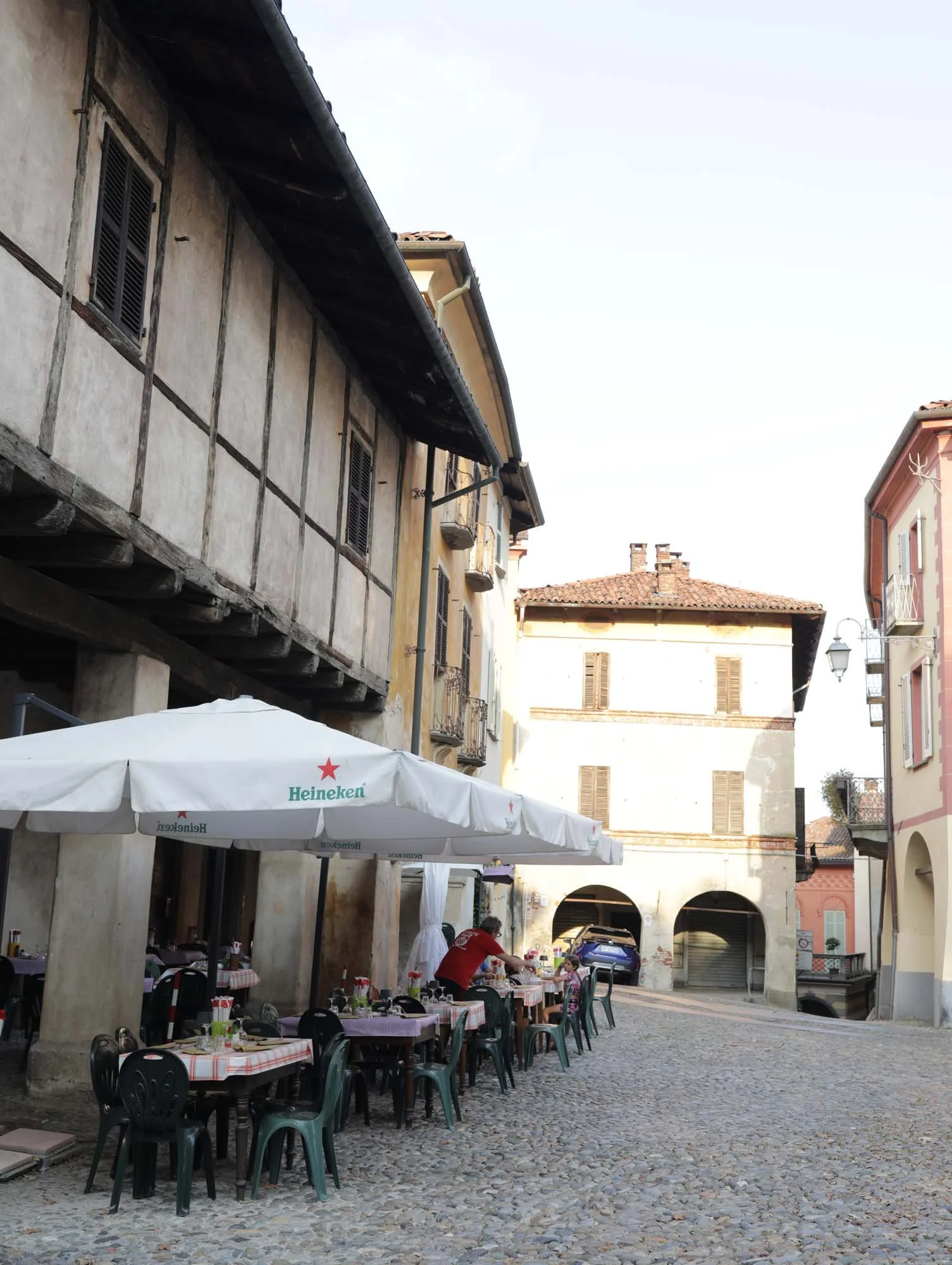
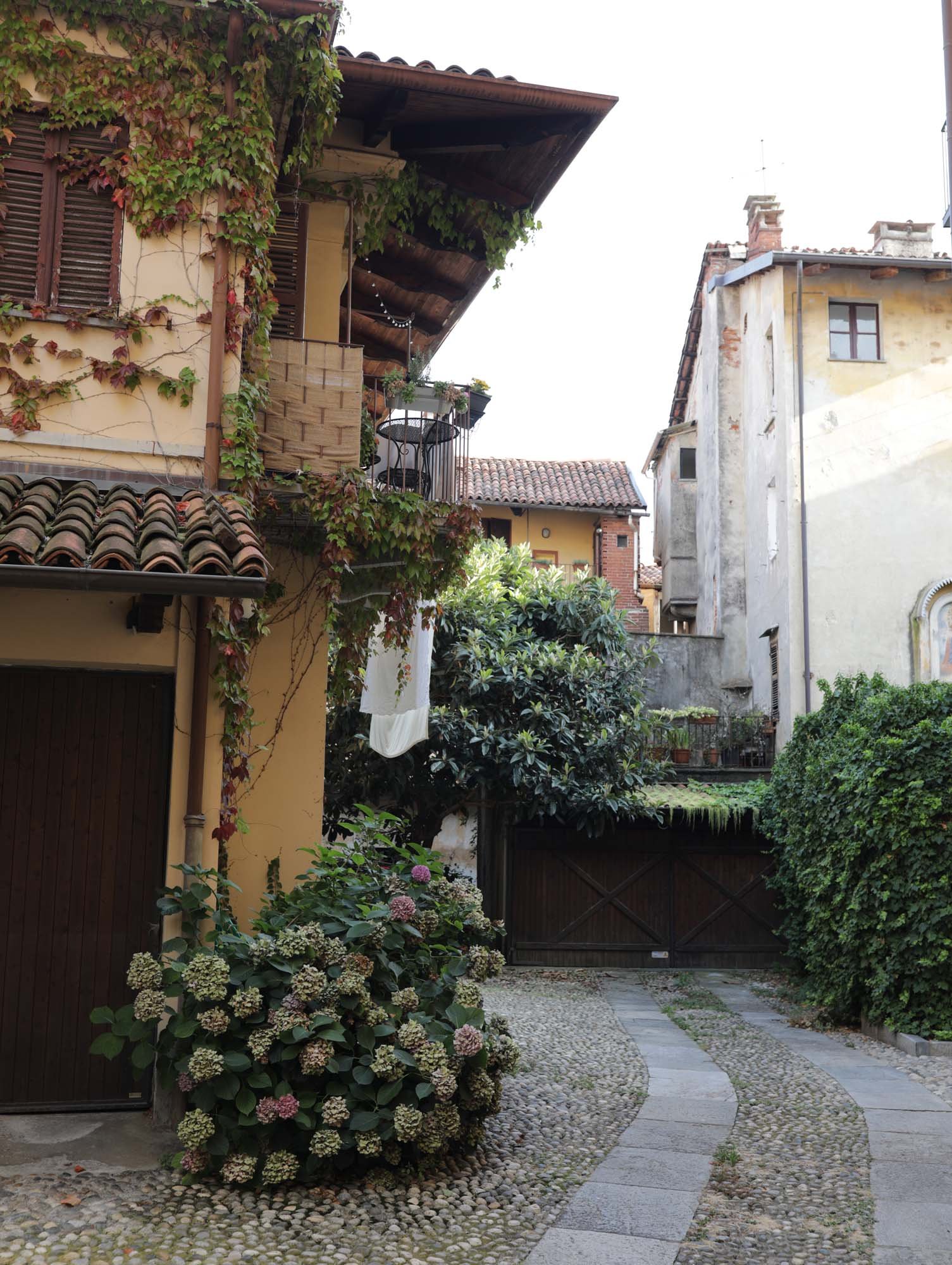
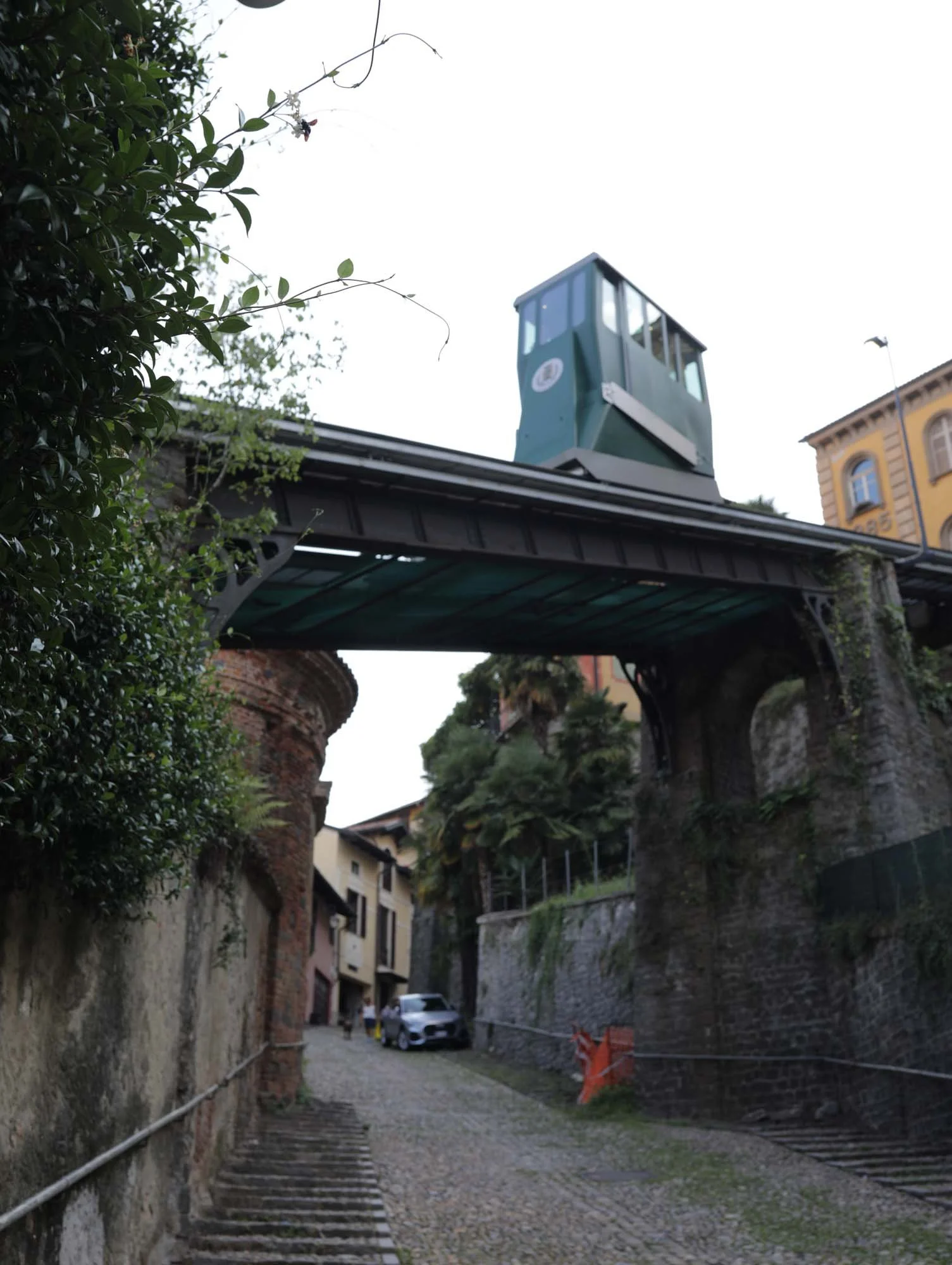
In 2019, UNESCO designated Biella a Creative City of Crafts and Folk Art — recognition of something the locals have always known. The textile culture here is not a museum piece: the mills are still working, the ateliers are still producing, and there's a generation of younger designers and makers building on that foundation in interesting ways. Cittadellarte, the contemporary art foundation created by artist Michelangelo Pistoletto, has its home here, bringing an international creative energy that sits comfortably alongside the older industrial heritage.
It's also, by any measure, a safe and liveable place. Small enough that you recognise faces within a few months, large enough to have everything you need. Farmers' markets, good restaurants that don't try too hard, mountain air, and a community that tends to stay — because once you've figured out what Biella offers, it's genuinely difficult to think of a reason to leave.